Compliance is more than a box to tick in the training business. It protects learners, reassures corporate clients, and lowers risk for organizations that depend on certified responders. In Canada, the pathway to compliant CPR and first aid training kits is layered, because standards, approvals, and language rules vary by province and territory. If you assemble and maintain kits with a national lens, you can move smoothly between Toronto boardrooms, Vancouver job sites, and francophone classrooms in Montréal without reworking your gear for each course.
This guide distills what veteran instructors, training agencies, and corporate safety leads should consider when selecting and managing CPR and first aid training kits for Canadian use. It blends regulator expectations with on-the-ground realities learned from hauling cases into community centres in January and resetting gear on tight turnarounds.
What “compliance” actually covers in Canada
There is no single federal license that anoints your kit as compliant. Compliance usually means three things working together.
First, your curriculum and provider status meet the workplace health and safety regulator in the jurisdiction. Ontario’s Workplace Safety and Insurance Board approves providers for workplaces. British Columbia relies on WorkSafeBC standards, including specific Occupational First Aid levels. Alberta and Saskatchewan list approved agencies for workplace first aid. Quebec’s CNESST sets requirements and expects French availability. The details differ, but all care that your course content, instructor credentials, and assessment standards align with recognized benchmarks.
Second, the equipment you use is fit for training and does not blur into regulated medical devices without the right approvals. Manikins and AED trainers are not used to diagnose or treat, so they are not sold as active medical devices. Real AEDs and oxygen delivery devices are, and they fall under Health Canada’s Medical Devices Regulations, including device licensing for manufacturers and MDEL requirements for distributors. A classroom AED should be a trainer unit, clearly marked not for clinical use.
Third, your materials respect language and product information laws, especially in Quebec. In practice, that means bilingual instructor manuals and learner handouts, bilingual voice prompts on AED training equipment whenever possible, and French-labeled packaging and instructions when operating in Quebec. National training organizations already provide bilingual curricula. Your equipment should not be the weak link.
National standards and the role they play
Most reputable programs in Canada align with resuscitation science from ILCOR and are updated through the Heart and Stroke Foundation and the Canadian Red Cross. These consensus updates ripple into manikin feedback requirements and skills evaluation criteria. CSA Group publishes standards that influence training program quality management, including CSA Z1210 on first aid training for the workplace. While CSA does not certify specific manikin brands, Z1210 pushes providers toward verifiable outcomes, instructor competency, and consistent evaluation. If your gear helps you document performance and deliver feedback that mirrors these outcomes, audits go easier.
Sector overlays add nuance. Marine first aid has Transport Canada streams. Wilderness first aid adds time-and-distance considerations that change kit content and scenario design. Healthcare providers train to higher BLS standards. Your core kit can stay stable, but spares and adjuncts shift with the sector.
Core components for a Canadian-ready kit
Over years of classes, the same equipment choices keep paying off. The common threads are realism, durability, cleanability, and bilingual usability.
CPR training manikins that fit Canadian classrooms
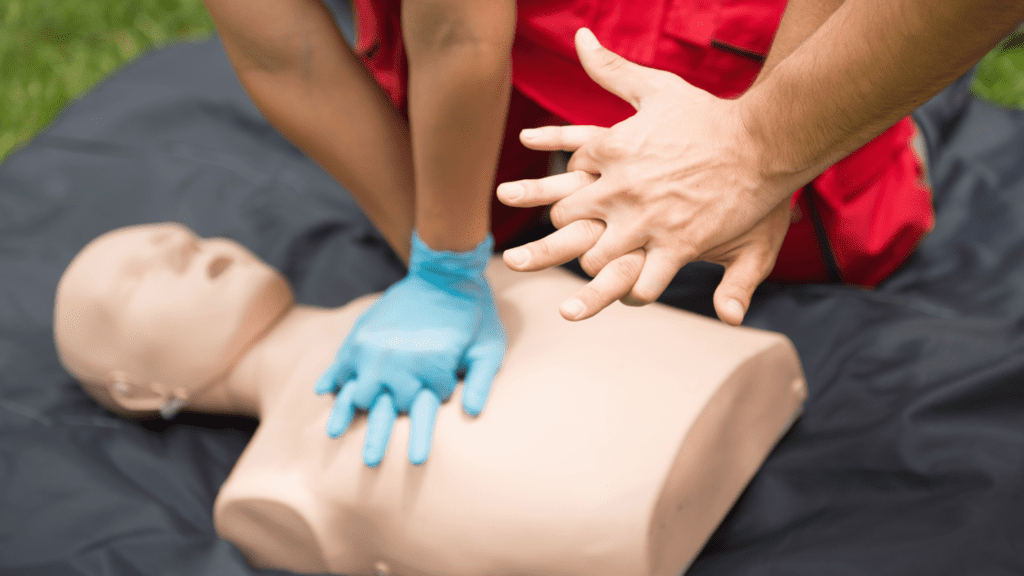
Ratios matter. Most approving bodies and major training agencies target one manikin per two to three learners for adult CPR, tighter for infant training. A 12 person class runs smoothly with six adult torsos, four infant manikins, and at least two child torsos or adjustable-size units. When space and budgets are tight, a mix of torsos and full bodies keeps realism for key skills like compression depth and chest recoil without making your vehicle look like a moving company.
Feedback technology has matured. LED indicators and app-based metrics for compression depth, rate, and recoil reduce instructor subjectivity. Instructors still watch hand position and body mechanics, but objective numbers settle borderline passes. App-linked units raise data questions. If the app syncs to a cloud, check where the data is hosted and whether you can turn off uploads. Some corporate clients require Canadian data residency. Offline modes and anonymous sessions prevent headaches.
Facepiece and lung design affects hygiene and resets between sessions. Disposable lungs keep air pathways separate per learner. Reusable lungs save money over time if you have thorough disinfection between cohorts. Swappable faces work well for larger classes where speed matters. If your calendar stacks classes back to back, you will want extra facepieces and lungs ready to go. Review manufacturer cleaning instructions and pair them with disinfectants that carry a DIN from Health Canada, since clients sometimes ask for that document trail.
Realism helps retention. Torso stiffness that mimics an adult chest, visible chest rise with ventilations, and anatomical landmarks for hand placement reduce coaching time. If you train first responders or advanced providers, choose models that allow airway management adjuncts and demonstrate gastric insufflation when technique slips. For workplaces that include older populations or healthcare settings, a manikin with a palpable carotid pulse, either manual trigger or automated, supports assessment scenarios without resorting to acting.
Price bands run wide. Solid midrange adult torsos land roughly between 300 and 800 CAD each. Premium feedback-enabled models can reach 1,200 to 1,500 CAD. Infant manikins trend lower per unit. Kits marketed as CPR instructor packages Canada often bundle two adults, one child, one infant, a bag of lungs and faces, and a soft case at a discount. Before jumping on a bundle, check the serviceability of parts over five years. Availability of replacement torsos, springs, and sensors in Canada matters more than a short-term deal.
AED training equipment Canada considerations
If a student leaves without confidence in attaching pads and following prompts, you missed the mark. Trainer units that replicate the timing, tone, and pad shapes of common clinical AEDs shorten the learning curve on the job. Bilingual voice prompts are a practical necessity in many Canadian classrooms, and not only in Quebec. New Brunswick, parts of Ontario, and federal workplaces may prefer or require French.
Look closely at pad cable durability, pad adhesive life, and child mode behavior. High turnover classes chew through adhesives fast. Some trainers allow you to replace only the gel insert instead of the entire pad set, saving costs over a season. Magnetic or snap-in sensors inside the pads provide good pad placement feedback without leaving residue on manikins. Models that allow shockable and non-shockable scenarios with a remote make large classes easier to control from the back of the room.
Be cautious with battery choices. Lithium batteries travel better if you follow airline rules. In colder provinces, winter car trunks can drain or damage packs. Spare rechargeable batteries and a power bank rated for your chargers avoid last minute improvisation in community centres that have only one outlet 20 feet from the table.
Emergency training equipment Canada beyond CPR
Scenario realism rounds out competence. A simple trauma module, even for basic first aid, elevates learning. Bleeding control trainers, triangular bandages, splinting supplies, and a training tourniquet let learners build muscle memory without tying themselves in knots. For oxygen training scenarios, use nonfunctional training regulators and cylinders to prevent mix-ups with clinical devices and to avoid Health Canada licensing issues. In wilderness or remote workplace courses, a hypothermia wrap and improvised carry techniques use minimal extra gear but match Canadian conditions.
Consumables and sanitation that stand up to scrutiny
Clients ask how equipment is cleaned. Have a written protocol. Specify a Health Canada DIN disinfectant that your manikin manufacturer approves, drying times that fit your class flow, and PPE you use during cleaning. Keep extra rolls of barrier devices. A five minute reset between practice rotations is realistic if you stage spare components on a clean table, so build that into your case layout.
Bilingual delivery, paperwork, and accessibility
Bilingual instruction goes beyond slides. local CPR supplier Canada AED training equipment Canada with bilingual prompts, skill sheets in French and English, and bilingual labels on student kits signal seriousness. In Quebec, the Charter of the French Language expects product instructions and public-facing materials in French. If your equipment arrives with English-only manuals, request French PDFs from the supplier and print inserts.
Plan for accessibility under AODA in Ontario and similar frameworks elsewhere. Adaptive manikins are rare, but you can adjust stations. Offer stool seating for learners with mobility challenges, use larger print skill sheets, and ensure AED trainers have screens with legible text or strong audio prompts. For hearing-impaired learners, visual metronomes on manikins matter more than in other classes.
A practical procurement and approval sequence
Rushing to launch a program and buying equipment in parallel usually costs more in the long run. A short sequence keeps you on track.
- Identify the jurisdictions you will serve, then confirm which regulator approvals your courses require. Prioritize the most restrictive province or territory. Choose your curriculum partner, then map required skill assessments to equipment features. If assessments require objective compression feedback, shortlist only manikins with that capability. Validate language requirements for your target regions, including Quebec. Confirm bilingual availability for AED trainer prompts and learner materials. Source from Canadian distributors who stock replacement parts. Ask about lead times for lungs, facepieces, pad adhesives, and batteries in peak season. Pilot your kit in two real classes before scaling. Track pad adhesive use, battery drain, cleaning cycle time, and learner error rates to fine-tune quantities.
Edge cases you only learn after a winter or two
Canada’s geography and climate test equipment choices. In January, lugging hard cases across icy parking lots is a reality. Soft-sided rolling bags absorb impacts better on stairs, but wheels bog down in slush. A hybrid approach works: hard cases for heavy AED trainers and electronics, soft duffels for manikins and linens. Condensation after moving gear from minus 20 into a warm classroom fogs AED trainer screens. Open cases early and let electronics acclimate before powering up.
In remote communities with limited power, rely on manikins with mechanical feedback or long-life batteries. Some northern fly-in sites restrict carrying pressurized canisters, even if inert or empty. If you need demonstration oxygen kits, ship them ahead with documentation that they are nonfunctional trainers.
Magnetic fields in some pad-placement trainers can set off security scanners or bother learners with implanted devices if placed close to the chest. Keep a short safety briefing in your pocket for learners with pacemakers or ICDs. Remind them to practice placement on a manikin and to observe rather than wear training pads on their bodies.
Building reliable CPR instructor packages Canada
An instructor kit lives or dies by the ratio of spares to primary units and by organization. A rolling inventory card, replenished after every class, saves time. A waterproof folder with your regulator approval letters, insurance certificate, and current first aid regulations for the provinces you cover avoids emailed panic at client reception desks. Add simple quality controls. If a learner reports odd manikin resistance during compressions, tag that torso out, record the serial, and address it before the next course.
Pricing your kit is about lifecycle costs, not just purchase price. If you run 40 to 60 classes a year, you will go through two to four sets of adult AED training pads per trainer annually, more if you train larger groups. Lungs and facepieces vary by model, but a conservative estimate is one disposable lung per learner for mouth-to-mouth practice or one per pair if you limit ventilations to barrier-mask practice. Replacement springs in manikins should be inspected annually. Budget 10 to 15 percent of your initial manikin cost per year for parts and consumables.
Sector-specific extras that make audits smooth
Construction clients in Ontario and Alberta often combine WHMIS or fall protection with first aid. Bring a hard hat and a high-visibility vest to demonstrate casualty management on a job site. Healthcare facilities expect BLS with bag-valve-mask practice. A compact BVM with a training valve and a visible one-way indicator clarifies technique. Schools and child-care centres want infant airway obstruction drills with realistic cough and cry prompts. Choose infant manikins that allow full back blows and chest thrusts without rapid joint wear.
Marine courses need to include hypothermia scenarios and water-adjacent hazards. A foil blanket and a waterproof, bilingual skill checklist look minor, but an inspector will notice them. Wilderness training benefits from a lightweight vacuum splint and an improvised stretcher drill. Advanced First Aid for industrial environments might integrate simulated oxygen delivery and advanced bleeding control. Keep those add-ons modular so you do not overpack for basic classes.
Recordkeeping, data, and privacy when devices get smart
Feedback manikins that sync to tablets have improved pass rates in my classes, but they create data you must manage. Decide early whether you will store performance data. Many clients prefer you do not retain named performance metrics for privacy reasons. Configure devices for session-only display without cloud sync. If you do store reports, document retention periods and storage locations, and share that policy in your training agreement.
Firmware updates stabilize performance, yet they can stall on school Wi-Fi or behind corporate firewalls. Keep one dedicated tablet with cellular data for updates, then run classes offline. Log device software versions on your maintenance sheet so you can show auditors that your equipment is up to date.
Cleaning, maintenance, and lifecycle planning
A maintenance rhythm beats improvisation every time. Build yours around class frequency. Weekly classes justify a Friday teardown and full cleaning. Instructors rotate through a simple set of checks: chest recoil function, feedback sensor response, facepiece integrity, pad cable strain relief, and battery health. For manikins with springs, light silicone-safe lubrication on specified contact points extends life, but only if the manufacturer recommends it.
Document what you do. A one page monthly checklist per device with date, initials, and any replaced parts shows diligence to a regulator or a corporate safety auditor. When a learner asks about hygiene, showing the DIN on your disinfectant and the last cleaning time on the checklist calms concerns.
Plan for retirement. After five to seven years, heavy-use manikins, even premium ones, start needing frequent parts. Manufacturers discontinue some models. Before that happens, seed your fleet with the next generation so you are not forced into a total switch in a single fiscal year. The same logic applies to AED trainers, which modernize their voice prompts and scenarios over time to keep pace with guideline updates.
Sourcing strategies that protect uptime
Relying on a single overseas shipment for critical consumables invites trouble right before a large contract. Canadian distributors who can deliver within three to five business days for lungs, facepieces, and pads are worth a small premium, particularly during peak certification seasons in spring and fall. Ask suppliers about bilingual packaging and documentation availability before you finalize. Include one backup distributor in your procurement file with current quotes. That file also helps when a client’s purchasing department wants three bids.
When evaluating CPR and first aid training kits sold as bundles, read the fine print on what is included and whether those components are the same part numbers you would buy separately. Some bundles use lower capacity batteries or short-run consumables that tie you to that vendor. If your courses run in Quebec, confirm that any included software, apps, and on-device prompts are available in French without a separate, chargeable upgrade.
A compact compliance checklist you can actually use
- Verify your training provider approvals for each province or territory you serve, and keep proof on hand for client and regulator audits. Choose CPR training manikins Canada with objective feedback that can run offline, and confirm replacement parts are stocked domestically. Select AED training equipment Canada with bilingual prompts, durable pads, and remote scenario control, clearly marked for training only. Ensure bilingual learner materials and product instructions, especially for Quebec, and align sanitation protocols with manufacturer guidance and DIN-listed disinfectants. Maintain device logs, battery plans, and a privacy stance for any app-connected feedback, and pilot-test your kit in real classes before scaling.
What an all-purpose instructor kit contains
- Six adult torsos with feedback, two child torsos, four infant manikins, plus spare lungs and facepieces sized for a 12 to 16 learner class. Two AED trainer units with adult and child pads, a spare pad set per unit, extra batteries, and a remote control. First aid scenario supplies, including at least two training tourniquets, splints, triangular bandages, gauze rolls, and a thermal blanket. Sanitation supplies with DIN-listed disinfectant, gloves, barrier devices, wipes, and a clearly written cleaning protocol. Documentation binder with regulator approvals, bilingual skill sheets, maintenance logs, SDS for disinfectants, and quick reference cards.
Final notes from the field
Most compliance missteps are not about intent. They arise when a kit that worked fine in one province crosses a border into another with slightly different expectations. A bilingual AED trainer or a clear maintenance log can be the difference between a smooth audit and an avoidable headache. Build your kits to survive travel, winter, and turnover. Keep spares where you actually need them, not where you wish they were. And when in doubt, call the regulator or your training partner before buying a pallet of something clever that a policy will not accept.
Gear does not teach on its own. Yet the right CPR training manikins Canada, the right AED training equipment Canada, and well-chosen emergency training equipment Canada free instructors to focus on coaching, not troubleshooting. Invest in kits that support that goal, and they will carry you through policy updates, peak seasons, and those memorable classes where a learner’s confidence clicks at exactly the right time.